

Trading Systems5 min read
Turning Trading Strategy Rules Into a Test Table
A test table exposes ambiguous strategy language by pairing known inputs with one expected software decision.
Tutorials
Clear, practical guidance on application workflows, integrations, operating controls, and the decisions that shape reliable software. Technical concepts are explained in the context of real business and product needs.
Browse by topic
Showing 12 of 37 tutorials
A test table exposes ambiguous strategy language by pairing known inputs with one expected software decision.

A web app plan becomes concrete when each record, state transition, owner, and handoff is visible before screen design begins.

A dependable automation begins with an observable event and ends with an accountable state change, not merely a chain of app steps.

A trading dashboard should explain what the software is doing now, what it last observed, and which condition requires attention.

A useful lead path gives visitors enough context to describe the work and gives the business enough signal to route the enquiry.

Role names alone do not define access. Reliable permissions connect a person, a record, an action, and the record's current state.

State labels become operational controls only when each transition has prerequisites, authority, side effects, and confirmation.

A handoff works when the person receives a reliable record of the request and can continue without asking the customer to start again.

A useful portal answers frequent customer questions with authoritative information and a clear path for the next request.

One trace identifier can connect the question “why did this happen?” across services, logs, decisions, and broker records.

Approval is a state machine with evidence and authority, not a yes-or-no notification button.

File upload is only one action. A complete document workflow explains who requested the file, which version is current, and what decision follows.

A normalized connector should make venue differences explicit and reject values it cannot translate safely.

Estimate requests work best as a short exchange with explicit ownership, not a single oversized form.

A useful safeguard explains which action was prevented, which state is uncertain, and what evidence is required before recovery.

A mobile app earns its complexity when the workflow depends on device capabilities, field conditions, or distribution requirements that a web experience cannot meet well.

Scenario-based requirements show how a client-defined forex rule behaves when timing, price sources, and platform state interact.

An AI support system needs governed answer material, not an undifferentiated folder of documents and old conversations.

Authentication, notifications, and offline data are related state-management problems, not independent features to add near launch.

A data sync is reliable when it can repeat safely, explain what changed, and detect records that drifted apart.

A handoff is reproducible when another authorized operator can identify the exact build, settings, environment, and checks used for deployment.

A useful process document records what people actually do, what evidence they use, and where the workflow departs from policy.

A broker adapter creates a stable boundary: the application issues a defined command and receives attributable broker events in return.

The normal checkout path is easy to draw. The operational quality of a store appears when stock, payment, address, or fulfilment data does not agree.

Reconciliation does not overwrite disagreement. It records both observations, classifies the difference, and follows it to resolution.

The happy path explains how work should proceed. Exception design determines whether the software remains usable when reality differs.

Webhooks provide timely notification. A durable event inbox and reconciliation job provide confidence that the work was actually processed.

Trade Bot Engine runs a defined trading workflow with visible state, controls, and activity.

A metric becomes operationally useful when a person can inspect the contributing records and act without rebuilding the answer elsewhere.

A useful support workflow preserves evidence, handles uncertainty, and gives staff enough context to continue the conversation.
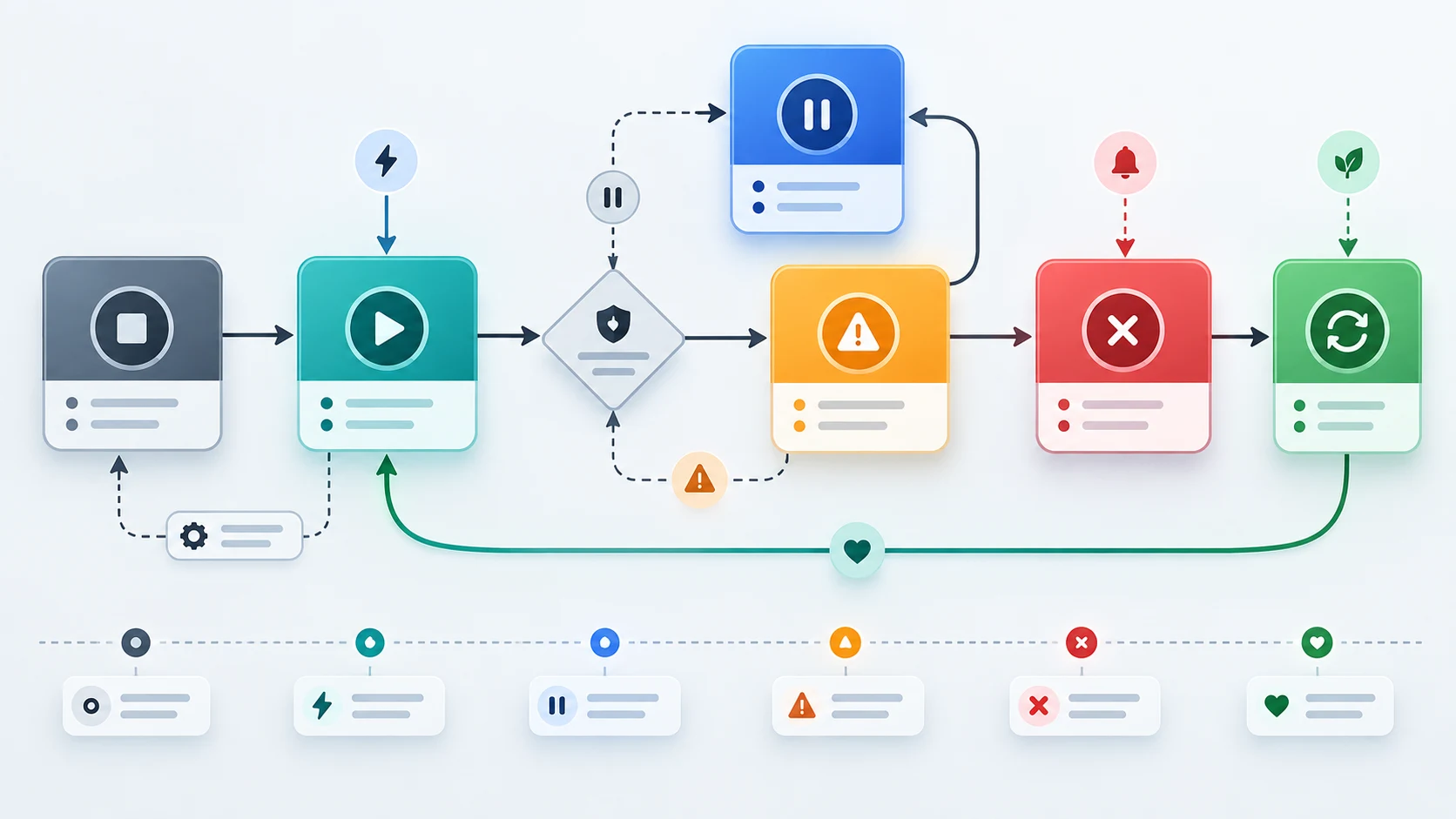
Running, paused, and stopped are not labels for decoration. They are core operating states that determine what the system is allowed to do.

An alert is a small workflow: a condition occurred, someone owns the response, and evidence is required before it closes.

Reliable commerce integrations begin by deciding where a fact is owned and how other systems receive changes.
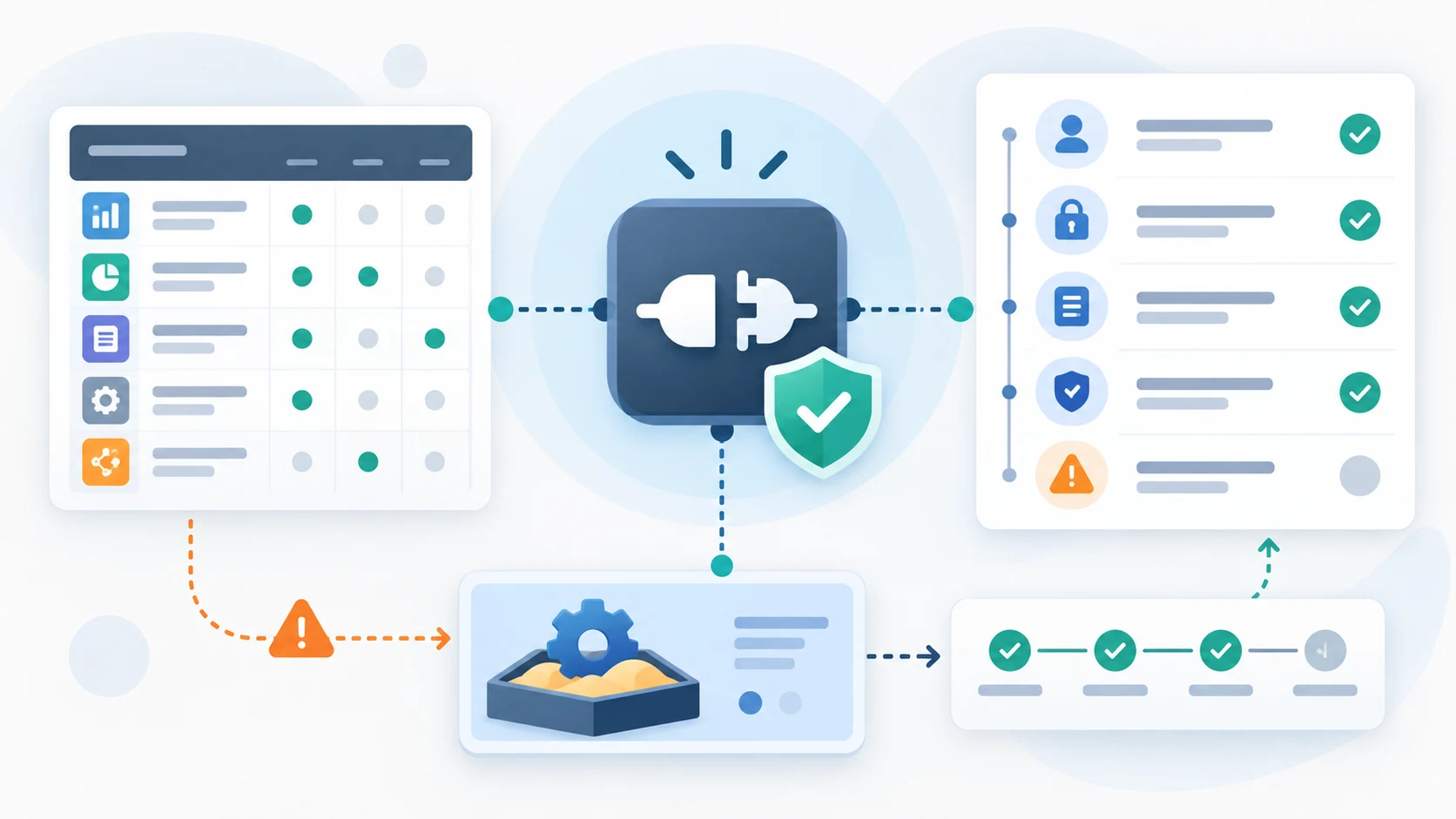
A connector rollout needs more than deployed code: availability should remain gated until its capabilities and operating controls are verified for the intended account.
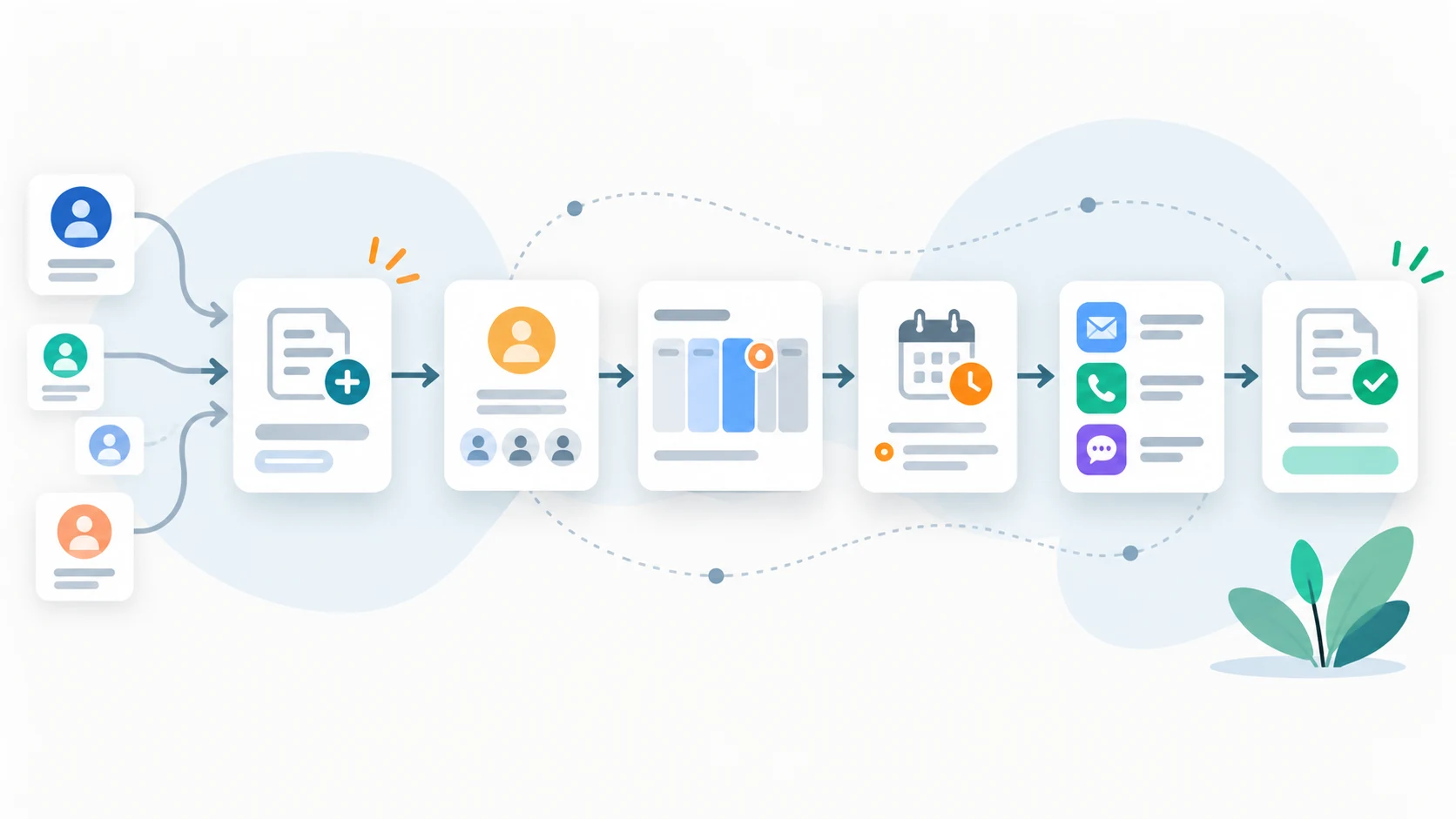
A CRM prototype is useful when it tests whether staff can understand ownership and the next action before integrations are built.
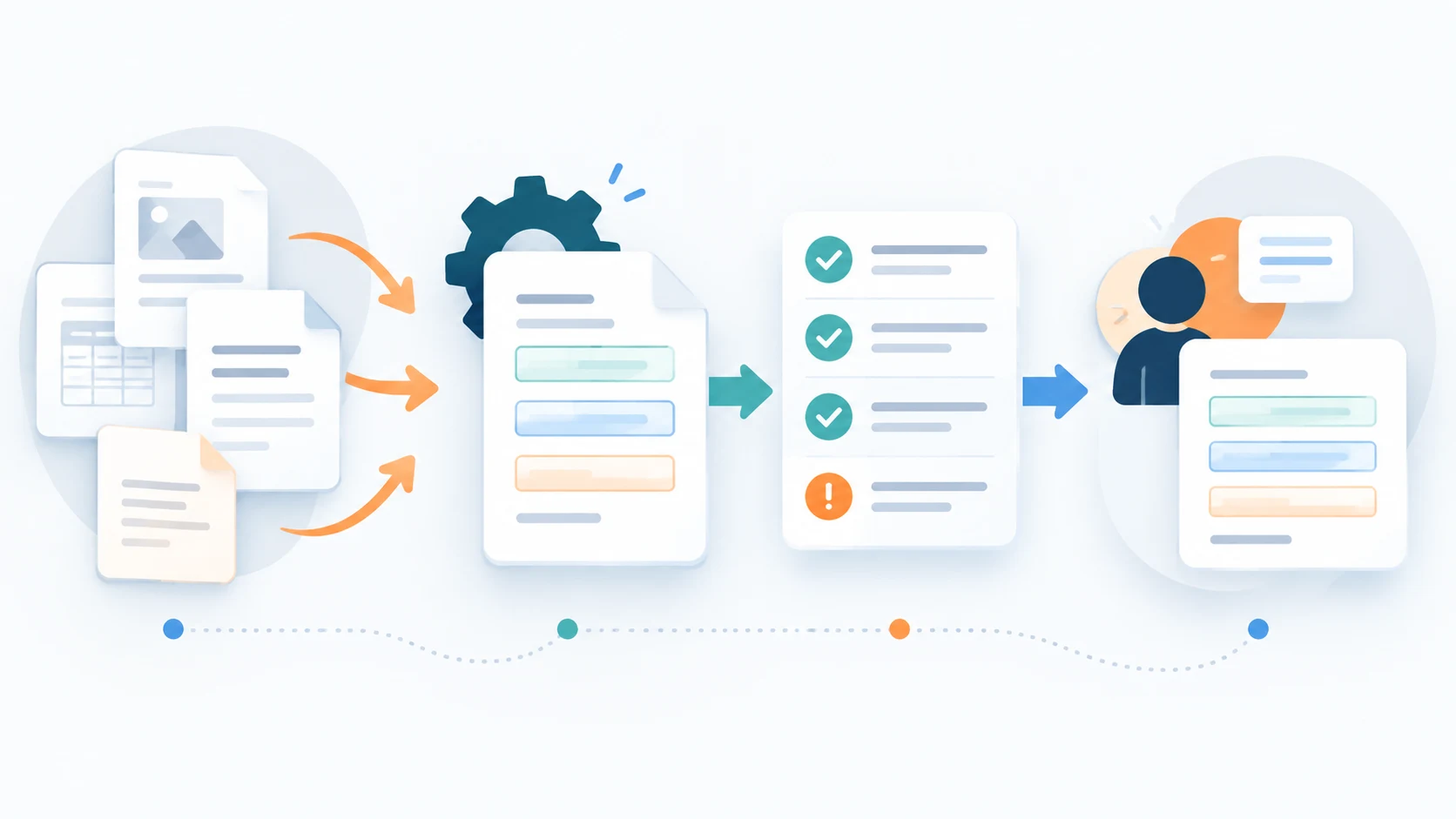
A document-intake workflow should make uncertain fields and missing information easier to review, not hide them behind an automated-processing claim.

A shared dashboard becomes useful when it supports operating routines and handoffs, not only individual status checks.