
Can exchange SDKs handle normalization automatically?
They can expose metadata and common methods, but the application still needs an approved unit, rounding, market-type, and failure policy plus tests for each supported venue.
Trading Systems
Build a venue test matrix for symbols, precision, minimums, contract sizes, order types, and rounding before sharing strategy logic across exchanges.

How the workflow connects
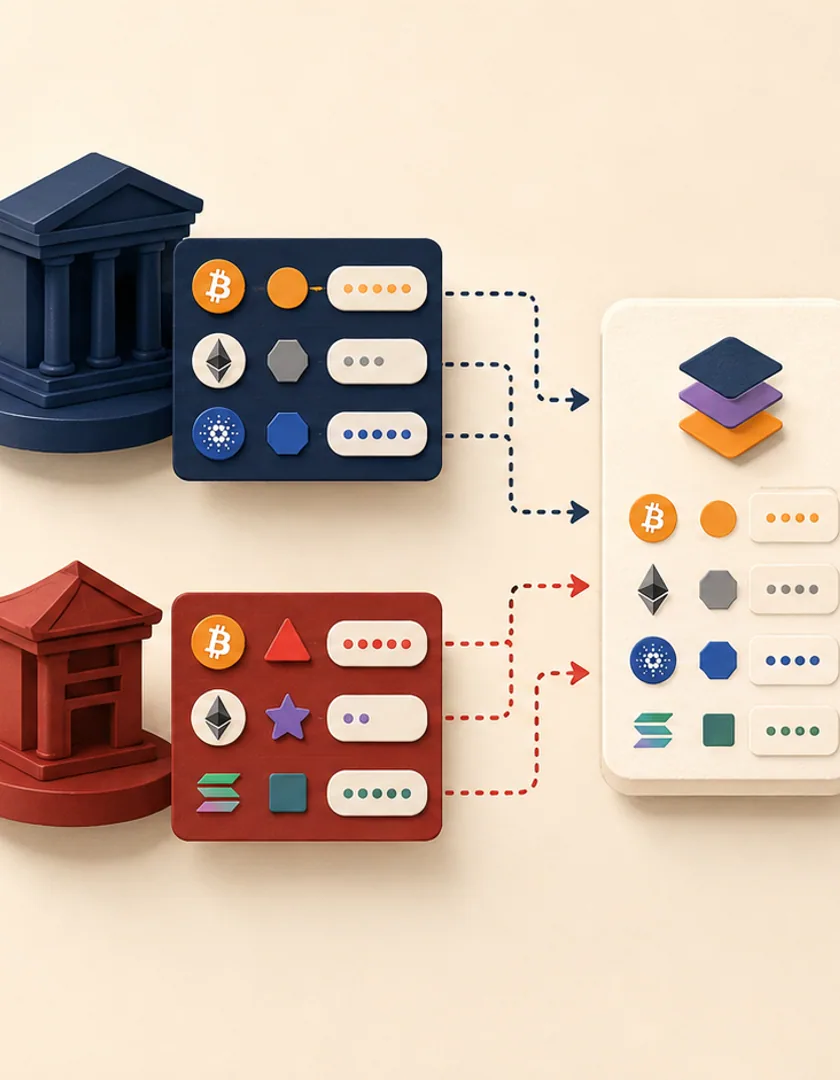
Two exchanges can list the same market while using different symbols, quantity units, price increments, minimum order rules, and derivative contract definitions. A normalization test matrix verifies those boundaries at the connector layer so shared workflow logic does not guess.
Represent venue, market type, base asset, quote asset, settlement asset, expiry, and contract variant separately. Map the exchange's symbol and identifier to that record. Do not infer that identical text describes identical settlement or contract behaviour.
Determine whether quantity represents base units, quote value, lots, or contracts and whether contract size changes the economic amount. Then apply step size, price tick, minimum quantity, and minimum notional rules from current venue metadata.
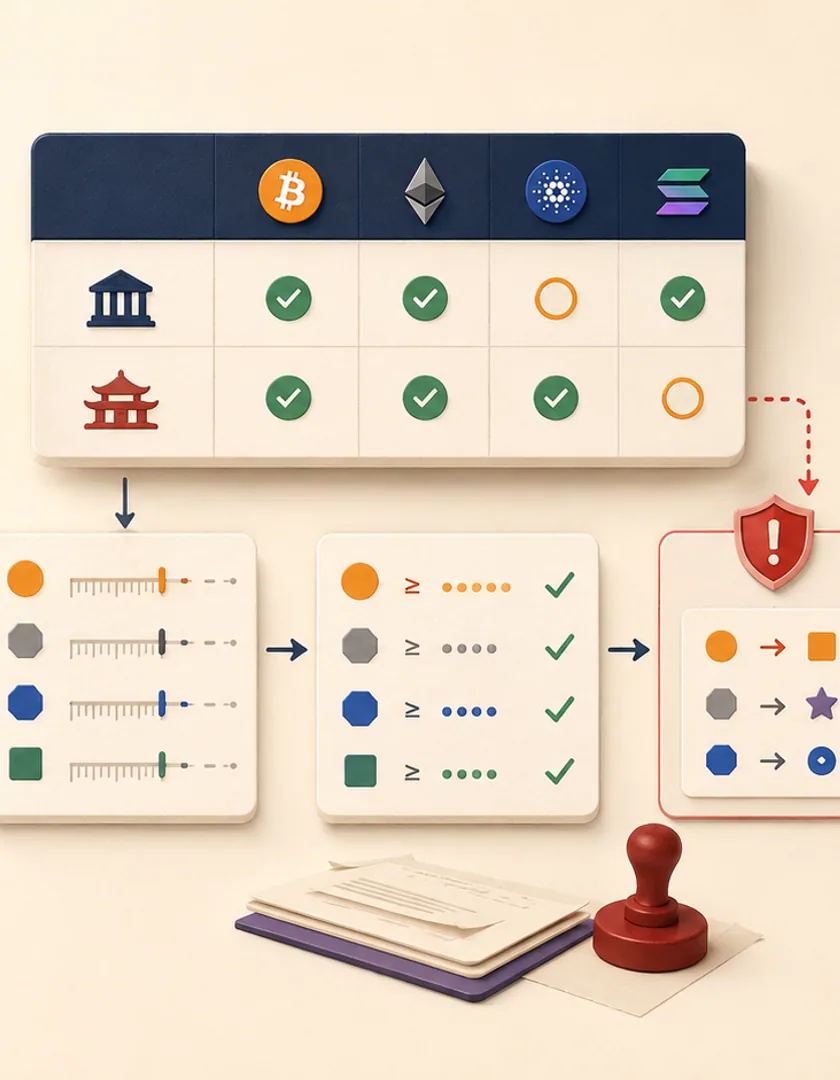
For each supported market, test values below, equal to, and above minimums; values requiring rounding; unavailable order types; delisted or inactive instruments; and metadata refresh. Record the expected normalized request or rejection reason.
Tests should use sandbox or documented validation endpoints where available and should never assume that a successful format check establishes a financial outcome.
If metadata is missing, stale beyond policy, or inconsistent with configured market type, prevent submission and create an operational alert. Log the internal values, metadata version, transformation, and final venue parameters for later review.
Choose a small set of instruments and record each venue's identifier, base and quote assets, market type, quantity unit, price increment, quantity increment, minimum size, minimum notional where applicable, and supported order capabilities. Keep the source documentation version and account context because permissions and product types can differ.
Tests should cover conversion in both directions. An internal order intent becomes a venue request, and a venue response becomes an internal event without losing source values. Use exact decimal handling appropriate to the integration; binary floating-point rounding can produce a quantity that appears valid locally but violates the venue increment.
| Case | Input | Expected handling |
|---|---|---|
| Known spot pair | Internal instrument and base quantity | Translate identifier and validate increments |
| Quantity below minimum | Valid precision, insufficient size | Reject before submission with named rule |
| Excess decimal places | Quantity not aligned to step | Apply documented rounding policy or reject |
| Unknown venue symbol | No active identity mapping | Fail closed and require mapping review |
| Market type mismatch | Spot intent against derivative mapping | Reject as incompatible instrument |
Venues can add, remove, suspend, or change instrument rules. Record when metadata was retrieved, validate it before enabling the instrument, and surface a meaningful blocked state when the mapping becomes stale or incompatible. Do not silently choose a similarly named market.
Run contract tests against saved provider fixtures and scheduled checks against permitted test endpoints where appropriate. Include zero, negative, minimum-minus-one-step, exact minimum, very large values, and conversion round trips. A failed normalization test should prevent request construction and identify the instrument, venue, field, source rule, and configuration version.
Visual guide
Symbol text alone is not enough; identity, market type, units, increments, capabilities, and freshness all matter.
Internal identity
Stable instrument and market-type representation.
Venue identity
Documented symbol or instrument ID for the connection.
Units
Base, quote, contracts, lot size, and conversion rules.
Precision
Price tick, quantity step, minimums, and rounding policy.
Capabilities
Supported order types, time policies, and account constraints.
Metadata state
Source, retrieval time, version, and suspension status.
Practical questions
They can expose metadata and common methods, but the application still needs an approved unit, rounding, market-type, and failure policy plus tests for each supported venue.
Choose a cadence based on venue behaviour and workflow risk, refresh on relevant rejections, and block submission when required metadata is too old or unavailable.
Continue exploring
Work with Sun Cluster
Sun Cluster develops crypto trading automation with venue-specific connectors, client-defined controls, test environments, and operational monitoring.